US Shipping Label Format Explained
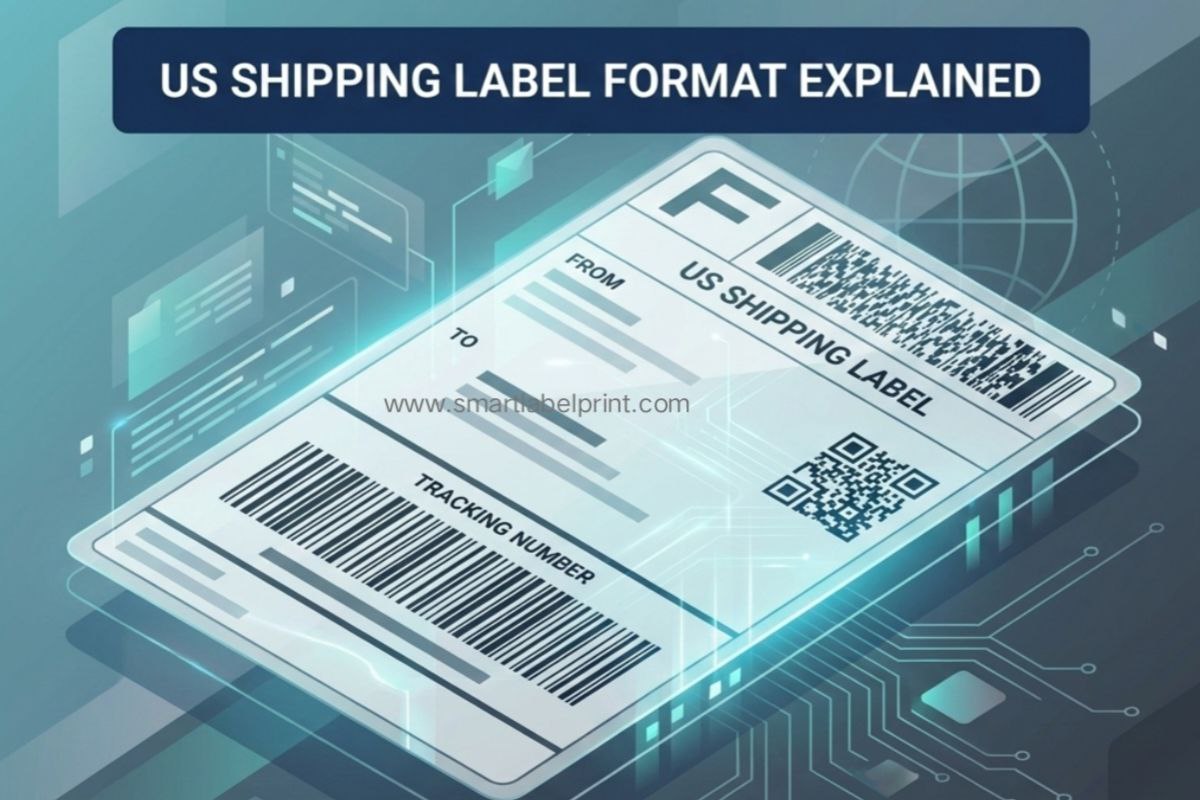
Alright, let's be real for a second—have you ever stared at that little sticky label on your package and thought, 'Eh, it's just an address sticker, what's the big deal?' Yeah, I did too, back when I was starting out. But trust me, that mindset nearly tanked my entire e-commerce side hustle. It's not just paper; it's basically the GPS, passport, and insurance policy for your shipment all rolled into one. Screw it up, and you're looking at delays, extra fees, or worse—lost packages that turn happy customers into raging reviewers.
Hey, I'm Raj, and I've been slinging products online for about seven years now—everything from artisanal spices shipped from my tiny apartment in Bangalore to tech accessories dropping into US mailboxes from a warehouse in Texas. Seriously, in 2020 during that endless lockdown, I lost over $800 on a single batch of orders because my labels were off by a hair. We're talking wrong zip codes that sent packages on wild goose chases. And here's the thing: whether you're a US seller using USPS or UPS, or an Indian exporter relying on Delhivery or India Post to connect to international carriers like FedEx, getting the US shipping label format right is non-negotiable if you want to save thousands and keep your sanity intact.
Look, shipping labels aren't sexy, but they're the silent hero—or villain—in your logistics game. A 2023 report from ShipMatrix notes that over 64% of address correction fees are totally avoidable with proper validation, and big outfits shell out more than $100,000 a year on them alone. That's cash you could be pocketing instead of handing over to carriers. Another stat from ParcelLab's 2023 shipping study? Nearly 40% of retailers miss their delivery windows, often due to basic label mishaps that cascade into chaos. And for us in India, the Statista 2024 e-commerce logistics report pegs our market at exploding to $10 billion by 2030, but label errors contribute to a whopping 15-20% of delivery failures per some industry chats I've had. We're diving deep here—not just what a US shipping label is, but why it matters, how to nail it for free, and tips to dodge those pricey pitfalls. This is your big-brother guide to not losing sleep over shipments.
So, buckle up. We're breaking it down like I wish someone had for me years ago. No fluff, just straight talk to help you ship smarter.
Breaking Down the US Shipping Label: What All That Stuff Actually Means
Okay, picture a standard US shipping label—it's got more going on than meets the eye. Whether it's from USPS, FedEx, or UPS in the States, or something you're prepping in India via Blue Dart or DTDC for handover to international partners, the core elements are similar. But US formats have specific quirks to comply with regs. Let's dissect it piece by piece, no paid software needed—just your eyes and a bit of know-how.
| Element | Description | Why It Can Bite You If Wrong |
|---|---|---|
| 1. Sender/Return Address | Your biz address, top-left usually. | Mess this up, and returns go AWOL. In India, if using India Post, a bad return address means extra customs headaches. |
| 2. Recipient Address | Customer's full deets, including ZIP+4 for precision. | Typos here? Package reroutes, and you eat $5-15 correction fees from UPS or FedEx. ShipMatrix says 64% avoidable! |
| 3. Tracking Barcode (1D/2D) | That long black-and-white strip or QR-like code. | Faded or smudged? Scanners fail, package ghosts. Happened to me once—cost $200 in reships. |
| 4. Routing/Sort Code | Carrier-specific numbers for hubs. | Wrong code sends it to the wrong state. For Delhivery in India, mismatched PINs delay by days. |
| 5. Service Indicator | Like 'Priority Mail' or 'Ground'. | Mismatch this, and you overpay or underdeliver. USPS stats show 5% of surcharges from this alone. |
| 6. Weight/Dims/Postage | Package specs and paid amount. | Underestimate? Hello, adjustment bills. Jungle Scout's 2025 report says shipping costs are sellers' top worry. |
My First Big Screw-Up: The ZIP Code Fiasco (USA, 2019)
Man, I still cringe thinking about this. I was drop-shipping gadgets from a US supplier to customers across the States, using USPS labels I printed at home. To cut corners, I eyeballed ZIP codes instead of verifying—big mistake. One batch of 50 orders had like five with fat-fingered zips. Packages bounced around like pinballs, racking up delays. Customers fumed, refunds flew, and USPS slapped me with $12 per correction. Total hit? Over $600, plus lost trust. If I'd used free tools like USPS's address validator online, I'd have saved it all. Indian sellers, same deal with DTDC—always double-check PINs before handover, or you're toast.
Carrier vs. DIY Labels: Don't Mix 'Em Up
Here's where a lot of newbies trip—there's a world of difference between official carrier labels and ones you whip up yourself. For US sellers, stick to the former 99% of the time.
1. Carrier-Issued Labels
Buy postage via USPS, FedEx, or UPS portals—or platforms like Shopify. You get a PDF with everything: address, tracking, postage paid. Just print right. This is gold for compliance.
2. Self-Made Address Labels
No postage here—just addresses for bulk or local handoffs. Great for Indian sellers using Delhivery pickups, where they add their tracking. Use free Shipping Label generators like smartlabelprint.com/shipping-label. But for US? Don't try dropping a plain address sticker at FedEx—they'll laugh you out.
But seriously, confusing these costs time and money. Always match to your flow.
The Indian Export Nightmare: Customs Label Blunder (India to USA, 2022)
Flashback to 2022—I was exporting handmade jewelry from Delhi to US buyers via India Post connected to USPS. I skimped on the customs declaration section of the label, figuring 'it's just jewelry, no biggie.' Wrong. Packages got held at customs for weeks because the value and description were vague. One customer canceled, another left a one-star review. Cost me $400 in reships and fees from Blue Dart for rerouting. Lesson? For cross-border, use free USPS customs forms online and verify formats. Stats from Jungle Scout's 2025 Amazon Seller Report show shipping woes as the #1 pain for 45% of sellers—don't add to it.
Free Ways to Nail US Labels Every Time
No need for fancy printers or software—here's how to do it gratis, whether in the US or India.
The Step-by-Step:
- Grab Your PDF: From carrier sites or marketplaces. For Indians, use Delhivery's portal for domestic legs.
- Crop to Standard Size: Use free online PDF croppers to fit 4x6 inches—perfect for labels. See my tutorial on label crop.
- Print Smart: Set to actual size, no scaling. Inkjet? Let it dry to avoid smudges. Thermal? Even better if you have one cheap.
US vs. Indian Label Formats: A Quick Comparison
| Aspect | US (USPS/UPS/FedEx) | India (Delhivery/India Post/DTDC) |
|---|---|---|
| Size | 4x6 standard | A6 or similar, flexible |
| Barcodes | Mandatory 1D/2D | Often added by carrier |
| Customs Info | Detailed for intl | Basic, but CN22/23 forms |
| Common Pitfall | ZIP+4 omission | PIN code typos |
Another Close Call: The Faded Print Debacle (USA, 2024)
Last year, rushing a holiday rush order from my US fulfillment spot, I printed labels on a low-ink printer. Looked okay, but scanners at UPS couldn't read 'em. Half the packages sat in limbo, customers complained, and I got hit with $250 in fees. Fixed it by switching to free high-quality PDF viewers and testing prints. Indian folks, same with Blue Dart—always scan-test if possible.
Your Label Lifesaver Checklist
Before slapping it on, run this quick check—takes 10 seconds, saves hundreds.
| Check | Why Bother? |
|---|---|
| Address Accuracy | Use free validators like USPS tool—catches 90% of errors. |
| Print Quality | No fades or smudges; test with phone scanner app. |
| Tape Coverage | No shiny tape over codes—glare kills scans. |
| Box Reuse | Cover old labels fully; confused scanners = delays. |
Wrapping It Up: Respect the Label, Save Your Wallet
Listen, that US shipping label is the gatekeeper to your customer's doorstep. Treat it like an afterthought, and it'll bite back with fees, complaints, and lost sales. But get it right—using free tools, double-checks, and a dash of caution—and you'll ship smoother, faster, cheaper. Whether you're in the US battling UPS surcharges or in India bridging to FedEx via DTDC, this stuff adds up to thousands saved. I've been there, learned the hard way, so you don't have to. Go forth and label wisely.